

Honda Fit Gearbox Problems and Repairs in Kenya
Experiencing Honda Fit gearbox problems? If your Honda Fit jerks when accelerating, delays when selecting Drive, vibrates at low speeds or makes unusual transmission noises, the gearbox may need professional diagnosis. These symptoms can result from fluid-related issues, worn transmission components, electrical faults or problems with the control system.
Honda Fit vehicles are popular in Kenya because of their compact design, fuel efficiency and practicality. However, like any vehicle, their transmissions require correct maintenance and timely attention when problems develop. Understanding the symptoms and available repair options can help you avoid unnecessary expenses and make informed decisions about your car.
Common Honda Fit Gearbox Problems
Honda Fit transmission problems can vary depending on the model year, transmission type, maintenance history and driving conditions. The following are symptoms owners should take seriously.
1. Honda Fit Gearbox Jerking or Juddering
Jerking or juddering during acceleration is one symptom that may indicate a transmission-related problem. You might feel vibration when moving away from a standstill or when accelerating gently at low speeds.
Possible causes include degraded or incorrect transmission fluid, clutch-related faults in applicable models, or internal transmission wear. Engine and drivetrain problems can also produce similar sensations.
What to do: Have the vehicle inspected to identify the source of the vibration before replacing transmission components.
2. Delayed Engagement When Selecting Drive or Reverse
If your Honda Fit takes unusually long to move after selecting Drive or Reverse, the transmission may not be engaging correctly. Possible causes include low transmission fluid, hydraulic pressure problems, control faults or worn internal components.
Do not repeatedly rev the engine to force the vehicle to move. Arrange a professional inspection, particularly if engagement becomes unpredictable.
3. Honda Fit Gearbox Slipping
Transmission slipping may occur when engine speed rises without a corresponding increase in vehicle speed. The vehicle may also struggle to maintain normal acceleration.
Potential causes include internal wear, inadequate fluid pressure, control system faults or other transmission problems. Accurate diagnosis is important because the appropriate repair depends on the underlying fault.
4. Unusual Gearbox Whining, Humming or Grinding Noises
Unusual noises from the transmission area should not be ignored. A whining or humming sound may be associated with transmission components, bearings or fluid-related problems. Grinding noises can indicate mechanical trouble that requires prompt inspection.
Not every noise comes from the gearbox. Wheel bearings, drive shafts and other drivetrain components can produce similar sounds. A technician should identify the source before recommending repairs.
5. Transmission Warning Lights
A flashing transmission indicator, check engine light or other warning may indicate a fault affecting the transmission or its control system.
Diagnostic trouble codes can help narrow down the possible cause, but the codes must be interpreted alongside the vehicle’s symptoms and test results. Clearing a warning without correcting the underlying problem does not repair the fault.
What Causes Honda Fit CVT Gearbox Problems?
Some Honda Fit models use a continuously variable transmission (CVT), while transmission designs and specifications vary by generation and model. The correct diagnosis and maintenance procedure must therefore match the vehicle.
- Incorrect transmission fluid: Using a fluid that does not meet the requirements of the specific transmission can affect operation and cause damage.
- Low fluid level or leaks: Fluid loss can affect lubrication and hydraulic operation where applicable.
- Delayed maintenance: Neglecting the specified transmission service schedule can contribute to premature wear.
- Internal component wear: Worn bearings, clutches, pulleys or other components may cause noise, judder or poor performance, depending on the transmission design.
- Electrical and control faults: Sensors, wiring, solenoids or control modules can affect transmission operation.
- Previous incorrect repairs: Poor-quality repairs, unsuitable parts or incorrect servicing procedures may lead to recurring problems.
These are possible causes, not a diagnosis of any individual vehicle. A technician should confirm the fault before repairs begin.
Honda Fit Gearbox Diagnosis and Repair in Kenya
If your Honda Fit develops transmission symptoms, proper diagnosis is the first step towards selecting the right repair. Replacing the entire gearbox without checking the underlying fault may lead to unnecessary expense.
A suitable diagnostic process may include:
- Reviewing the symptoms and the vehicle’s maintenance history.
- Scanning the transmission and engine control systems for relevant fault codes.
- Inspecting transmission fluid condition and checking for leaks using the correct procedure.
- Testing the vehicle where safe and appropriate to reproduce the reported symptoms.
- Inspecting relevant electrical connections, sensors and control components.
- Assessing internal transmission components when test results indicate mechanical damage.
Once the cause has been identified, the technician can explain the available repair options, expected costs and any risks associated with continued driving.
Honda Fit Gearbox Repair vs Replacement
Not every Honda Fit gearbox problem requires a complete transmission replacement. The most appropriate solution depends on the type of transmission, the fault identified and the condition of the affected components.
Transmission servicing
Where the issue is related to fluid condition or a serviceable maintenance item, following the manufacturer’s specified servicing procedure may help address the problem. Fluid servicing should not be presented as a guaranteed fix for mechanical damage.
Gearbox component repair
If diagnostics identify a repairable fault involving a sensor, solenoid, electrical connection or internal component, targeted repairs may be possible. The feasibility depends on the transmission design and the availability of suitable parts.
Gearbox reconditioning
Reconditioning may be considered when internal wear or damage can be repaired economically. Ask for details of the work to be performed, the parts to be replaced and the warranty provided.
Complete gearbox replacement
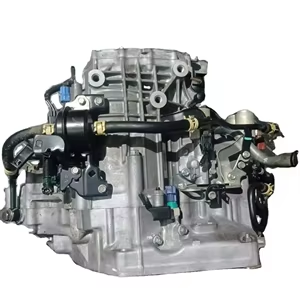
Replacement may be appropriate when the transmission has extensive damage or repair is not practical. Before purchasing another gearbox, confirm its compatibility with your Honda Fit’s model year, engine, transmission code and other relevant specifications.
Honda Fit Gearbox Repair Costs in Kenya
The cost of Honda Fit gearbox repairs in Kenya varies according to the fault, transmission type, labour requirements and availability of parts. A minor electrical repair may cost considerably less than rebuilding or replacing a damaged transmission.
Factors that influence the total cost include:
- The specific gearbox problem and diagnostic requirements.
- The cost and availability of compatible replacement parts.
- Whether the transmission needs servicing, component repair, reconditioning or replacement.
- Labour costs and the complexity of removing and installing the gearbox.
- The warranty offered on the parts and repair work.
For a meaningful quotation, provide the vehicle’s model year, symptoms, transmission details and any diagnostic results available. Request an itemised estimate that separates diagnosis, parts and labour where possible.
Avoid choosing a replacement gearbox based on price alone. Compatibility, tested condition, installation quality and warranty terms are important when comparing options.
How to Prevent Honda Fit Gearbox Problems
Correct maintenance can help reduce avoidable transmission problems and support reliable vehicle operation.
- Follow the maintenance schedule specified for your exact Honda Fit model.
- Use only transmission fluid that meets the manufacturer’s requirements for that transmission.
- Investigate fluid leaks and unusual noises promptly.
- Arrange diagnosis when jerking, slipping or delayed engagement develops.
- Keep records of gearbox servicing and previous repairs.
- Confirm transmission compatibility and condition when purchasing a used vehicle or replacement gearbox.
Maintenance requirements differ between Honda Fit generations and transmission types. Do not assume that every model uses the same fluid or service procedure.
Frequently Asked Questions About Honda Fit Gearboxes
What is the most common Honda Fit gearbox problem?
Reported symptoms include juddering, delayed engagement, unusual transmission noises and slipping. The likelihood and cause depend on the model year, transmission design and maintenance history. A proper diagnosis is needed to determine the specific fault.
Can a Honda Fit gearbox be repaired instead of replaced?
Yes, some transmission faults can be repaired without replacing the complete gearbox. The best option depends on the cause, the extent of the damage and whether suitable parts are available.
Why does my Honda Fit jerk when accelerating?
Jerking can be associated with transmission fluid issues, clutch or transmission component faults, engine performance problems or other drivetrain issues. Testing is necessary to identify the cause accurately.
Can I drive my Honda Fit with a faulty gearbox?
Continuing to drive with a serious transmission fault can increase damage and create a safety risk. If the vehicle loses drive, makes severe grinding noises, leaks significant fluid or displays a serious warning, stop in a safe place and arrange professional assistance.
Does every Honda Fit use a CVT gearbox?
No. Transmission specifications vary by generation and model. Confirm the transmission fitted to your vehicle before selecting replacement parts, transmission fluid or repair procedures.
Get the Right Diagnosis for Your Honda Fit
Honda Fit gearbox problems can have several different causes, from fluid-related issues to electrical faults and internal mechanical wear. Identifying the underlying problem is essential before deciding whether servicing, component repair, reconditioning or complete replacement is appropriate.
If your Honda Fit is experiencing transmission symptoms, arrange an assessment with a qualified automotive technician and request a clear explanation of the findings before authorising repairs. Choosing the correct repair for your specific vehicle can help you avoid unnecessary replacement costs and make a more informed maintenance decision.