


Honda & Mazda Service Centre Nairobi | DOHC Auto
Looking for a Honda and Mazda service centre in Nairobi? DOHC Auto helps Honda and Mazda owners with vehicle diagnostics, maintenance, repairs and spare parts
Are you looking for Honda and Mazda gearbox repair in Nairobi? If your vehicle jerks when changing gears, struggles to move, delays when engaging Drive or Reverse, or makes unusual transmission noises, it is important to have the cause checked before replacing any parts. These symptoms can have different causes, and the correct repair depends on your vehicle’s model, year and transmission type.
DOHC Auto serves Honda and Mazda owners looking for vehicle repair, maintenance and diagnostic support. This guide explains common gearbox warning signs, what an inspection may involve, and how to decide on the next step for your car.
Transmission problems can develop gradually or appear suddenly. Pay attention to changes in how your vehicle accelerates, changes gears or responds when you select a driving position.
If your Honda or Mazda jerks when accelerating or changing gears, the transmission may not be operating as expected. However, jerking does not automatically mean the gearbox is damaged. Depending on the vehicle, possible causes can include a transmission-related fault, an engine performance issue, a mounting problem or a control-system concern.
For hybrid vehicles, the symptoms may also involve systems that work alongside the transmission. A proper assessment helps separate these possibilities before repair work begins.
A noticeable delay after selecting Drive or Reverse can indicate a problem that needs investigation. The cause may involve fluid condition or level, hydraulic operation, electronic controls or internal transmission wear. The precise possibilities depend on the transmission fitted to the vehicle.
Avoid repeatedly revving the engine to force the car to move. If engagement is unreliable, arrange an inspection instead of continuing to drive as normal.
Transmission slipping may feel like the engine speed rises without a matching increase in vehicle speed. The vehicle may also struggle to maintain power or change gears consistently.
This symptom should be assessed promptly. Continuing to drive with a slipping transmission may worsen an existing problem. If the vehicle loses drive, cannot move safely or behaves unpredictably in traffic, stop in a safe place and arrange recovery.
New noises while the vehicle is moving can come from several parts of the drivetrain, not only the gearbox. The speed at which the sound occurs, whether it changes with acceleration, and whether it appears in a particular gear can help narrow down the cause.
Grinding, loud or rapidly worsening noises should not be ignored. Avoid guessing which component has failed based on sound alone.
Some vehicles display a warning light or message when a transmission or related control system detects a problem. Other faults may not produce an obvious dashboard warning.
A diagnostic scan may retrieve trouble codes and relevant system information. A code is evidence to investigate, not automatic proof that a particular sensor, solenoid, control unit or gearbox must be replaced.
A fluid leak underneath the vehicle may come from the transmission or another system. Transmission fluid can vary in colour and appearance, so colour alone is not a reliable way to identify the source.
If you notice a substantial leak, a burning smell, smoke or a sudden change in vehicle operation, stop safely and arrange professional assistance. Do not crawl beneath a vehicle supported only by a jack.
Honda vehicles use different transmission designs across model ranges and production years. A repair approach that is suitable for one Honda model may not be appropriate for another.
Owners of models such as the Honda Fit, Vezel, Shuttle, Civic and CR-V should identify the exact model year and transmission configuration before any fluid service, component replacement or major repair is recommended.
Honda Vezel and Shuttle models may have hybrid powertrains and transmission systems that differ by generation and specification. A complaint such as shuddering, delayed movement or unusual behaviour should be assessed in the context of the exact vehicle.
Do not assume every hybrid-related symptom is caused by the gearbox. The engine, hybrid control system, electrical components and other drivetrain parts may also require investigation.
Honda Fit vehicles vary by generation and transmission type. If your Fit hesitates, changes gears harshly, loses drive or displays a warning, provide the vehicle’s year and any available dashboard messages when arranging an inspection.
Identifying the transmission correctly helps the technician check the appropriate service information and determine which diagnostic tests are relevant.
Mazda transmission systems also vary between models, years and specifications. A Mazda Demio, Axela or CX-5 may not use the same transmission design or maintenance requirements as another vehicle in the range.
If your Mazda Demio jerks, hesitates, slips or makes unusual noises, avoid assuming that the transmission itself is the only possible cause. Engine operation, drivetrain components, electronic controls and fluid-related concerns may need to be considered.
Share the vehicle’s model year, symptoms and any warning messages so the inspection can begin with the correct vehicle information.
Gear changes that feel harsh, delayed engagement, unexpected engine-speed changes or a transmission warning should be investigated. The appropriate checks depend on the specific Mazda transmission and the conditions under which the symptoms occur.
Where a fault code is present, the code should be interpreted alongside live data, symptoms and other test results. Replacing a component based on a code alone can lead to unnecessary costs if the underlying cause is elsewhere.
A useful gearbox assessment starts with the driver’s description of the problem and the vehicle’s identification details. The technician can then determine which checks are appropriate.
Not every vehicle requires every test. The inspection should be based on the symptoms, vehicle specification and findings rather than a one-size-fits-all checklist.
Servicing may be appropriate when the manufacturer’s maintenance schedule calls for it or when inspection identifies a relevant fluid or maintenance concern. The correct fluid, quantity, level-checking method and service procedure must match the exact transmission.
Do not use a generic automatic transmission fluid simply because it is available. Honda and Mazda specifications can differ, and some vehicles use specialised fluids. The owner’s manual or verified technical information for the exact vehicle should guide the choice.
Repair may involve addressing a confirmed fault in a transmission-related component, wiring, control system, seal or other relevant part. The repair scope depends on the evidence gathered during diagnosis.
A diagnostic trouble code can help guide testing, but it does not by itself establish which component has failed. Confirming the cause before ordering parts helps reduce the risk of unnecessary replacement.
Replacement may be considered when the transmission has damage that is not practical to repair, or when testing and repair estimates support that decision. It should not be the automatic first step for every gearbox symptom.
Before fitting a replacement unit, confirm compatibility with the vehicle’s model, year, transmission code and relevant electronic or hybrid configuration. Ask what the quoted work includes and whether additional programming, adaptation or related repairs are required for that specific vehicle.
Transmission fluid helps perform functions that can include lubrication, cooling and hydraulic operation, depending on the design. Using the wrong fluid or an incorrect service procedure can affect transmission operation and may cause damage.
Different Honda and Mazda vehicles may require different transmission fluids. Some use conventional automatic transmission fluid, while others use CVT-specific, manual-transmission or hybrid-specific fluids. These are not automatically interchangeable.
For example, Honda publishes model-specific owner information that identifies the fluid required for particular transmissions. Mazda also provides model-specific manuals and owner information. Always check documentation applicable to the exact vehicle rather than relying on a general online recommendation.
That depends on the symptom and its severity, but some transmission problems can make driving unsafe or cause further damage.
Never place yourself or other road users at risk to test a suspected transmission fault. If the vehicle cannot be driven safely, arrange professional recovery.
You can help the technician investigate the problem by sharing clear information about the vehicle and the symptoms.
Do not erase warning codes or disconnect components simply to hide a warning before an inspection. The information may help with diagnosis.
If your Honda or Mazda has gearbox symptoms, the next step is to arrange an assessment and provide the vehicle details. Describe what you have noticed, when it occurs and whether any warning messages appear.
Visit the DOHC Auto contact page to enquire about an inspection. You can also learn more about the business on the DOHC Auto About Us page.
For the most useful assessment, confirm your vehicle’s model year and transmission configuration before discussing fluid specifications, parts or repair options. The appropriate recommendation should follow the diagnosis rather than assume that every symptom requires a complete gearbox replacement.
Possible warning signs include slipping, delayed engagement, harsh or unusual gear changes, unexpected engine-speed changes, fluid leaks, unusual noises or transmission warnings. These symptoms do not confirm a specific failure, so an appropriate inspection is needed.
Yes. Jerking may be related to the engine, drivetrain, mounts, control systems or other components, depending on the vehicle. Diagnosis should consider the full set of symptoms before a repair is selected.
The cost depends on the vehicle, transmission type, confirmed fault, parts required and labour involved. A fluid service, a repair to a specific component and a complete gearbox replacement are different jobs. Request an assessment and a quotation based on your vehicle rather than relying on a single price for every Honda or Mazda.
No. A warning light or diagnostic code does not automatically mean the gearbox must be replaced. The fault should be investigated and the results used to decide whether servicing, component repair or replacement is appropriate.
No. Fluid requirements vary by model, year and transmission. Use the specification and procedure documented for the exact vehicle. Do not mix fluids or substitute a generic product without confirming compatibility.
Move to a safe place if possible, switch on hazard lights where appropriate and arrange recovery. Do not continue driving a vehicle that cannot accelerate, select gears reliably or move safely with traffic.
Share the vehicle make, model, year, transmission type if known, the symptoms, when they occur and any dashboard messages or diagnostic codes. Mention any recent transmission work or fluid changes.
Looking for a Honda and Mazda service centre in Nairobi? DOHC Auto helps Honda and Mazda owners with vehicle diagnostics, maintenance, repairs and spare parts
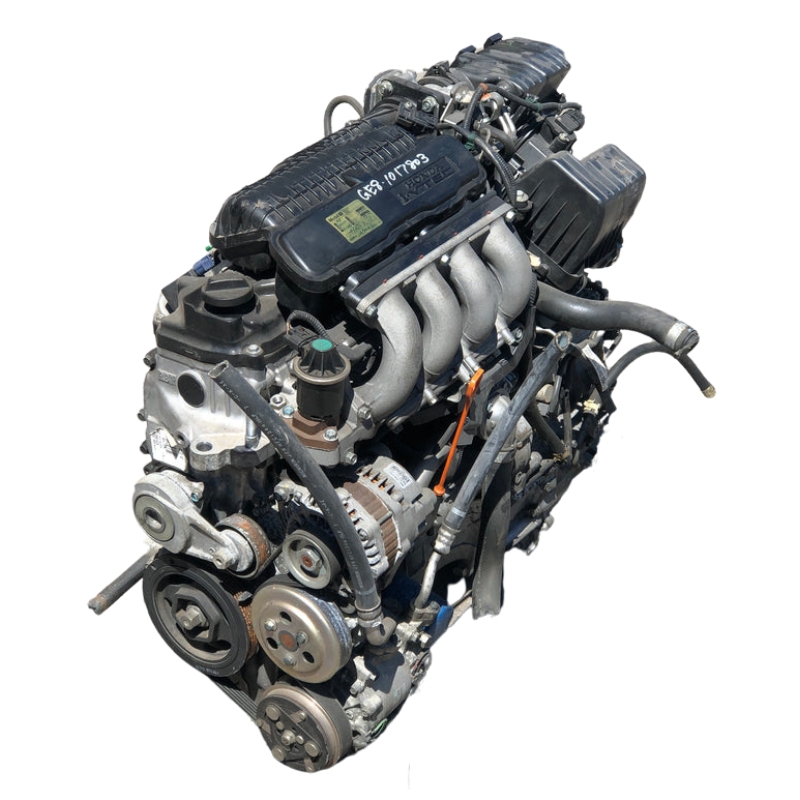
Are you looking for Honda and Mazda gearbox repair in Nairobi? If your vehicle jerks when changing gears, struggles to move, delays when engaging Drive
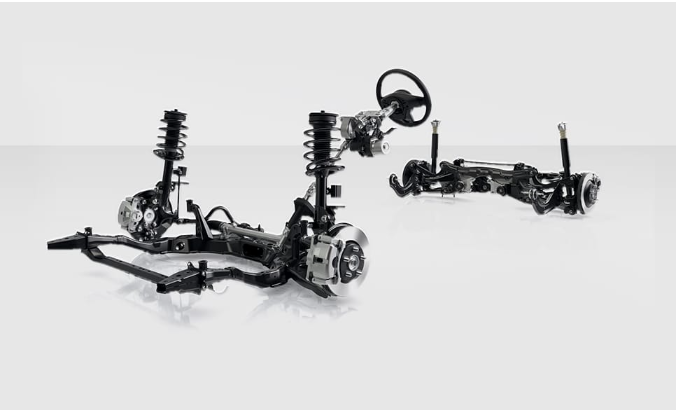
Looking for Honda and Mazda suspension repair in Nairobi? If your car knocks when driving over bumps, feels unstable on the road, rides roughly, or

It is a long established fact that a reader will be distracted by the readable content of a page when looking at its layout.
