



Honda & Mazda Service Centre Nairobi | DOHC Auto
Looking for a Honda and Mazda service centre in Nairobi? DOHC Auto helps Honda and Mazda owners with vehicle diagnostics, maintenance, repairs and spare parts
Looking for Honda and Mazda suspension repair in Nairobi? If your car knocks when driving over bumps, feels unstable on the road, rides roughly, or develops uneven tyre wear, the suspension system may need inspection. These symptoms can have several causes, so the correct repair starts with identifying the faulty or worn component.
DOHC Auto serves Honda and Mazda vehicle owners with automotive support, including repairs, diagnostics and maintenance. If your vehicle has a suspension or steering concern, arrange an inspection before replacing parts unnecessarily.
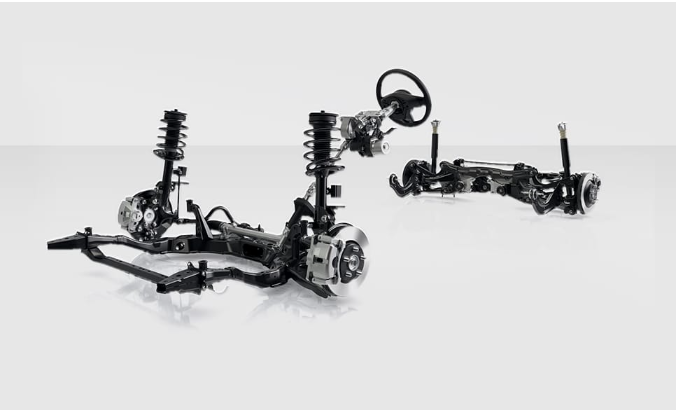
Your car’s suspension system helps keep the tyres in contact with the road, supports vehicle stability and reduces the impact of bumps. It works with the tyres, steering and other components to help the vehicle handle predictably.
Depending on the vehicle model and year, the system may include shock absorbers or struts, springs, control arms, suspension bushes, ball joints, stabiliser links and wheel bearings. Not every vehicle uses the same component design, so the correct parts must be identified for your specific Honda or Mazda.
A knocking sound when driving over potholes, speed bumps or uneven roads may indicate a worn suspension bush, ball joint, stabiliser link, strut mount or another loose or damaged component. However, similar noises can also come from steering parts, brakes or other areas of the vehicle. An inspection is needed to identify the source.
If your Honda or Mazda feels unusually harsh over bumps or continues bouncing after uneven road surfaces, worn shock absorbers, struts, springs or other suspension components may be contributing to the problem. Tyre condition and tyre pressure should also be checked before drawing conclusions.
A car that drifts or pulls to one side may have a wheel alignment problem, uneven tyre pressure, worn steering or suspension components, or a brake-related fault. Do not assume that alignment alone will solve the issue. Worn or damaged parts should be inspected before alignment is carried out.
Uneven wear across a tyre can be associated with incorrect alignment, tyre pressure problems, worn suspension components or other mechanical issues. Have the tyres, suspension and steering checked together to help determine the cause.
Unusual nose-diving, excessive body roll or a feeling that the car is unstable may indicate a suspension concern. Tyres, brakes, springs, shock absorbers and other components may need inspection. If handling has changed significantly, avoid high speeds and arrange a professional assessment.
If one corner of your vehicle sits lower than the others, a damaged or sagging spring, a suspension component problem, or another fault may be responsible. A vehicle sitting unevenly should be inspected rather than corrected by replacing parts without diagnosis.
Honda vehicles can develop suspension concerns as components wear or become damaged through normal use and road impacts. The exact cause depends on the model, year, condition and driving history.
Honda owners should seek an inspection if they notice persistent knocking, unusual bouncing, steering instability, uneven tyre wear or a change in ride height. Models such as the Honda Fit, Honda Vezel, Honda Shuttle, Honda Civic and Honda CR-V may have different suspension configurations. Parts should therefore be matched to the vehicle’s exact model, year and specification.
A proper inspection can help determine whether the concern relates to a shock absorber, strut, spring, bush, ball joint, stabiliser link, steering component or another part of the vehicle.
Mazda owners should also pay attention to new suspension noises, poor ride quality, steering changes and irregular tyre wear. These symptoms can arise from worn components, impact damage, alignment problems or faults elsewhere in the vehicle.
For models such as the Mazda Demio, Mazda Axela and Mazda CX-5, the correct inspection and replacement parts depend on the specific model year and vehicle configuration. Avoid ordering a component based on the model name alone when different versions may use different parts.
If your Mazda makes a clunking noise over bumps or feels less stable than usual, arrange an inspection to establish the cause before approving repairs.
The checks required depend on the symptoms and the vehicle. A suitable inspection may include:
Not every vehicle requires every check. The inspection should focus on the symptoms, vehicle specification and findings rather than assuming that one component is responsible.
These components help control suspension movement. Wear or damage may affect ride comfort, tyre contact and vehicle stability. Replacement decisions should be based on inspection and the manufacturer’s requirements for the particular vehicle.
Bushes help cushion movement between connected suspension components. Worn or damaged bushes can contribute to knocking noises, excess movement or changes in handling.
These components help connect and guide parts of the suspension. Excessive wear or damage can affect steering and wheel control. A seriously worn or damaged joint can create a safety risk and requires prompt assessment.
Springs support vehicle weight, while strut mounts connect and support the strut assembly where fitted. Damage or wear may cause uneven ride height, noise or handling concerns.
Stabiliser links connect parts of the anti-roll system where fitted. Wear can cause knocking over bumps or during turns, but the sound should be diagnosed before a part is replaced.
Several faults can produce similar symptoms. A knocking noise does not automatically mean that the shock absorbers are faulty, and a vehicle pulling to one side does not always mean that it only needs wheel alignment.
Replacing parts without identifying the cause can waste money and leave the original problem unresolved. A better process is to describe the symptoms, inspect the relevant components, explain the findings and confirm which repairs are necessary.
When requesting suspension repair, share the vehicle make, model, year, the location of the noise and when it occurs. Mention any recent pothole impact, tyre replacement or previous suspension work. This information can help guide the inspection.
It depends on the fault and its severity. A minor noise may still require timely inspection, while a broken spring, severely damaged suspension joint, loose wheel-related component or major change in steering and handling can make driving unsafe.
Stop driving and arrange professional assistance if the vehicle becomes difficult to control, a wheel appears misaligned, a component is visibly broken, or you hear a severe metallic impact accompanied by handling changes. Do not attempt to continue a journey when you suspect a serious suspension or steering fault.
Road conditions, driving habits, vehicle load and component age can affect suspension wear. There is no single replacement interval that applies to every Honda and Mazda model, so use the vehicle-specific maintenance information and inspection findings.
If your Honda or Mazda has a knocking suspension, rough ride, uneven tyre wear or a steering concern, arrange an assessment to identify the cause and the appropriate repair.
When making an enquiry, provide:
Visit the DOHC Auto website to explore its Honda and Mazda automotive services and parts, or use the DOHC Auto contact page to make an enquiry.
Common warning signs include knocking over bumps, unusual bouncing, uneven tyre wear, a change in ride height and reduced stability. These symptoms can have different causes, so an inspection is needed to confirm the fault.
Possible signs include clunking noises, a rough ride, excessive body movement, uneven tyre wear and steering changes. The cause should be confirmed for the specific Mazda model and year.
Alignment can correct certain wheel-angle problems, but it does not repair worn bushes, damaged springs, loose ball joints or faulty shock absorbers. Inspect and repair relevant mechanical faults before carrying out alignment where necessary.
The correct replacement approach depends on the vehicle manufacturer’s guidance, the component design and the inspection findings. Ask the repairer to explain the condition of the relevant components and the recommended work for your model.
The cost depends on the vehicle, the faulty component, parts availability and the labour required. An inspection and vehicle-specific parts confirmation are needed before a reliable quotation can be provided.
It is safer to identify the faulty component first. Confirm the vehicle’s model year, specification and part compatibility before purchasing anything. Similar-looking parts may not fit every version of a Honda or Mazda.
Looking for a Honda and Mazda service centre in Nairobi? DOHC Auto helps Honda and Mazda owners with vehicle diagnostics, maintenance, repairs and spare parts
Are you looking for Honda and Mazda gearbox repair in Nairobi? If your vehicle jerks when changing gears, struggles to move, delays when engaging Drive
Looking for Honda and Mazda suspension repair in Nairobi? If your car knocks when driving over bumps, feels unstable on the road, rides roughly, or

It is a long established fact that a reader will be distracted by the readable content of a page when looking at its layout.
