


Honda & Mazda Service Centre Nairobi | DOHC Auto
Looking for a Honda and Mazda service centre in Nairobi? DOHC Auto helps Honda and Mazda owners with vehicle diagnostics, maintenance, repairs and spare parts
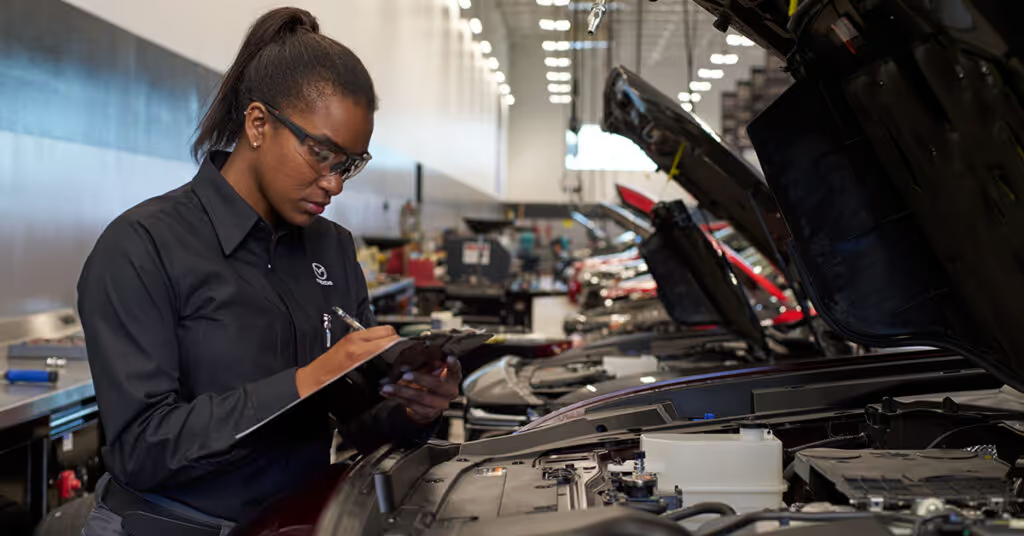
Are you looking for car diagnostics and repair in Nairobi for your Honda or Mazda? When your vehicle develops an unusual noise, loses power, displays a dashboard warning light or struggles to start, identifying the cause is an important first step. DOHC Auto provides Honda and Mazda vehicle service and repair support, helping owners investigate vehicle problems and determine suitable next steps.
A warning light or unusual symptom does not always mean a particular component has failed. Proper fault diagnosis helps narrow down possible causes before repair work begins. Whether you drive a Honda Vezel, Honda Fit, Honda Shuttle, Mazda Demio or Mazda CX-5, the vehicle’s model, year, engine and transmission type can all influence the appropriate diagnostic approach.
If your car is experiencing a problem, contact DOHC Auto to discuss the symptoms and arrange an assessment.
Car diagnostics is the process of investigating vehicle faults using information from the driver, visual inspections, suitable testing equipment and, where applicable, electronic diagnostic tools. Modern vehicles have electronic control systems that monitor different functions and may store diagnostic trouble codes when certain conditions are detected.
A diagnostic scan can help identify a system that requires further investigation. However, a fault code is not always proof that the component named in the code has failed. Wiring faults, damaged connectors, low voltage, sensor problems and other underlying issues can produce related symptoms.
For this reason, effective car diagnostics combines scan results with appropriate testing and an assessment of the vehicle’s symptoms.
Honda and Mazda vehicles use different engines, transmission systems and electronic control technologies across their model ranges. Accurate diagnosis should therefore take account of the specific vehicle rather than applying the same repair procedure to every model.
Honda owners may seek diagnostic assistance when a vehicle develops an engine warning light, starting difficulty, rough running, reduced performance or a transmission-related symptom. Hybrid Honda models may also display warnings associated with their hybrid control systems.
For example, a Honda Vezel, Honda Fit or Honda Shuttle may require further investigation when a driver notices unusual transmission behaviour, changes in fuel consumption or a warning on the dashboard. The appropriate checks depend on the vehicle’s year, powertrain and the symptoms present.
Mazda owners may require fault diagnosis when an engine warning light appears, the engine runs unevenly, the vehicle loses power or a transmission, braking or cooling-system concern develops.
Models such as the Mazda Demio, Mazda Axela and Mazda CX-5 have different configurations across model years. A proper assessment should use information relevant to the particular vehicle and should not assume that every Mazda uses identical components or specifications.
Some vehicle problems begin with subtle changes before becoming more noticeable. Arrange an assessment when you observe symptoms such as the following:
Describe when the symptom occurs, whether it happens when the engine is cold or warm, and whether the vehicle has recently been serviced or repaired. These details can help guide the diagnostic process.
Dashboard warning lights communicate different conditions. Their meaning depends on the symbol, colour, vehicle model and the instructions in the owner’s manual.
A check engine light may indicate a fault involving an engine-management or emissions-related system. If the light is flashing, or the engine is shaking, losing significant power or making unusual noises, stop in a safe place and seek appropriate assistance. Continuing to drive with a serious engine fault may cause further damage.
An oil pressure warning can indicate that the engine is not receiving adequate oil pressure. Stop the vehicle safely and switch off the engine as soon as it is safe to do so. Do not continue driving simply because the engine still sounds normal. Arrange professional assistance before restarting or driving the vehicle.
If the engine overheats, stop safely and switch off the engine. Allow it to cool before any checks. Never remove a hot radiator cap because pressurised coolant can cause serious burns. If the vehicle continues to overheat or coolant is leaking, arrange assistance.
An ABS warning may indicate a problem with the anti-lock braking system. If the red brake warning remains illuminated, the brake pedal feels abnormal or braking performance changes, stop safely and arrange professional assistance. Do not assume that the vehicle is safe to drive because it can still move.
The appropriate process depends on the fault, but a structured assessment generally includes the following stages.
Not every vehicle problem can be identified by a scan alone. Mechanical faults, intermittent electrical issues and some transmission concerns may require additional testing.
Once a fault has been identified, the next step is to determine the appropriate repair. The work required depends on the diagnosis, vehicle configuration and condition of the affected components.
Engine-related concerns may include rough running, difficult starting, unusual noises, loss of power or warning lights. Investigation should focus on the symptoms and test results rather than replacing parts based on assumptions.
Transmission symptoms can include abnormal engagement, unusual noises, slipping or unexpected changes in vehicle movement. Different Honda and Mazda models use different transmission designs, so the correct inspection procedure and fluid specification must be confirmed for the individual vehicle.
Do not continue driving if the transmission problem creates an immediate safety concern or the vehicle cannot move predictably.
Coolant leaks, overheating and unexplained changes in engine temperature require investigation. Possible causes vary by vehicle and may involve hoses, the radiator, the thermostat, the cooling fan or other components. Testing should establish the cause before a repair is selected.
Electrical concerns can cause intermittent starting issues, warning lights and problems with vehicle systems. A reliable diagnosis may involve checking battery condition, charging performance, wiring, connectors and relevant sensors where appropriate.
Grinding noises, vibration, steering changes, uneven tyre wear or abnormal suspension noises may indicate a mechanical issue. These symptoms should be inspected, particularly when braking or vehicle control is affected.
Replacing a component without confirming the cause of a fault can waste money and leave the original problem unresolved. A warning light may point towards a system without proving that a particular sensor or component has failed.
Before approving a repair, ask which tests support the diagnosis, what work is recommended and whether additional checks may be needed. This makes it easier to understand the proposed work and select parts suitable for your vehicle.
DOHC Auto also provides Honda and Mazda spare-parts support. When a replacement component is required, confirm compatibility using the vehicle’s model, year, specification and, where necessary, its chassis or VIN details.
Explore the DOHC Auto website for information about available vehicle services and parts, or contact the team to discuss your vehicle’s needs.
Some symptoms require more than a routine workshop appointment. Stop in a safe location and arrange professional assistance if you notice:
Follow the instructions in your vehicle’s owner’s manual. If you are unsure whether the vehicle is safe to drive, do not risk driving it to the garage; arrange appropriate recovery or assistance.
DOHC Auto provides Honda and Mazda vehicle service and repair support. Contact the team with your vehicle’s model, year and symptoms to discuss the appropriate diagnostic assessment.
No. A scan can retrieve available fault codes and system information, but some mechanical, electrical and intermittent problems require additional inspection and testing.
No. The warning may relate to several possible causes. A diagnostic trouble code helps guide the investigation but does not automatically confirm that the sensor or component named in the code has failed.
It depends on the warning and the vehicle’s symptoms. Some warnings require prompt inspection, while serious oil pressure, overheating or braking warnings may require you to stop safely and arrange assistance. Consult the owner’s manual.
Provide the vehicle make, model, year, symptoms, warning lights, when the problem occurs and any recent repairs. A photograph of the dashboard warning may also help explain the issue.
It is generally better to investigate the fault first. The assessment can help determine which component, if any, requires replacement and which part is compatible with your vehicle.
If your Honda or Mazda has developed a warning light, starting problem, unusual noise, performance issue or transmission concern, begin with an appropriate assessment rather than guessing which part to replace.
Contact DOHC Auto to discuss your vehicle’s symptoms and the next steps for diagnosis and repair. Provide the model, year and details of the problem so the team can better understand your enquiry.
Contact DOHC Auto about your car diagnostics and repair enquiry.
Looking for a Honda and Mazda service centre in Nairobi? DOHC Auto helps Honda and Mazda owners with vehicle diagnostics, maintenance, repairs and spare parts
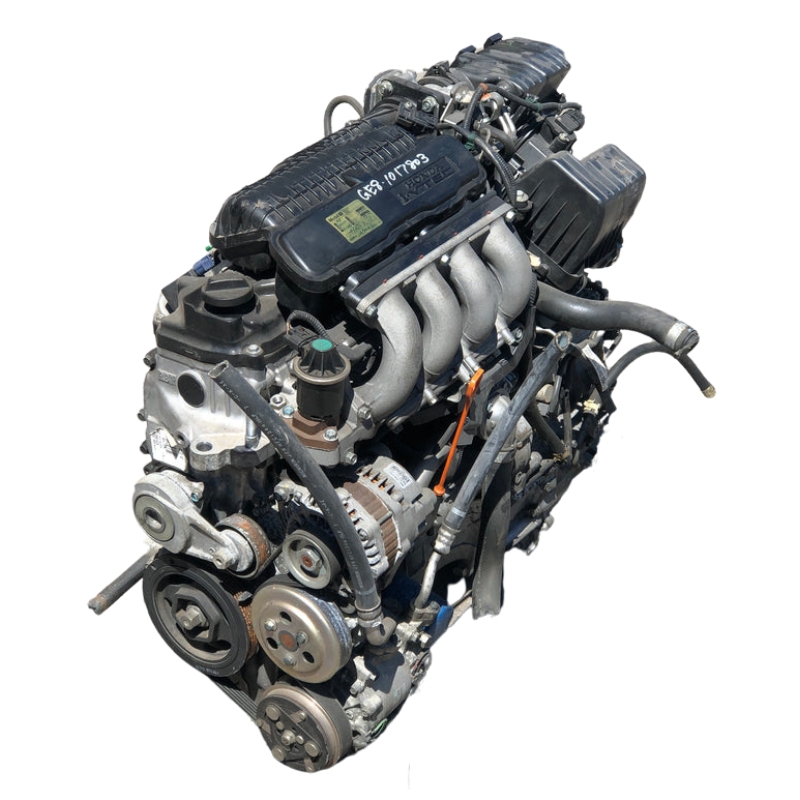
Are you looking for Honda and Mazda gearbox repair in Nairobi? If your vehicle jerks when changing gears, struggles to move, delays when engaging Drive
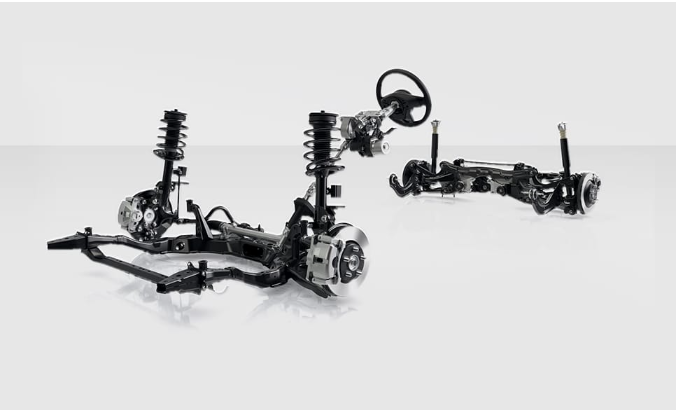
Looking for Honda and Mazda suspension repair in Nairobi? If your car knocks when driving over bumps, feels unstable on the road, rides roughly, or

It is a long established fact that a reader will be distracted by the readable content of a page when looking at its layout.
