


Mazda Axela Common Problems in Kenya and How to Fix Them
Mazda Axela common problems explained by Nairobi Mazda specialists: i-stop faults, diesel soot, parking brake drag, hybrid issues, suspension and more.
Few things matter more on Thika Road at rush hour than brakes that stop the car straight and on time. If you are looking for brake repair in Nairobi, you probably already hear a squeal, feel a shudder, or have a warning light you cannot ignore.
This guide explains what those signs mean on Honda and Mazda cars, what a proper brake job includes, and how to avoid paying twice for the same repair. We wrote it from what we see every week at our workshop behind PAC University.
Brakes rarely fail without warning. Most problems give you weeks of notice, provided you know what to listen and feel for.
If you notice any of these, book an inspection before the problem spreads to more expensive parts.
Brakes in Nairobi traffic work harder than the service book assumes. Stop-start jams on Mombasa Road and Thika Road mean constant light braking, and that heats pads and discs without letting them cool.
Dust and mud are the second problem. Grit gets between the pad and the disc, scores the surface and speeds up wear. Murram roads also pack mud into the rear drums of small cars like the Fit and the Demio.
Finally, potholes and speed bumps load the suspension and steering. Worn bushes and ball joints let the wheel move under braking, which feels like a brake fault even when the brakes are fine. That is why we always check the suspension at the same time.
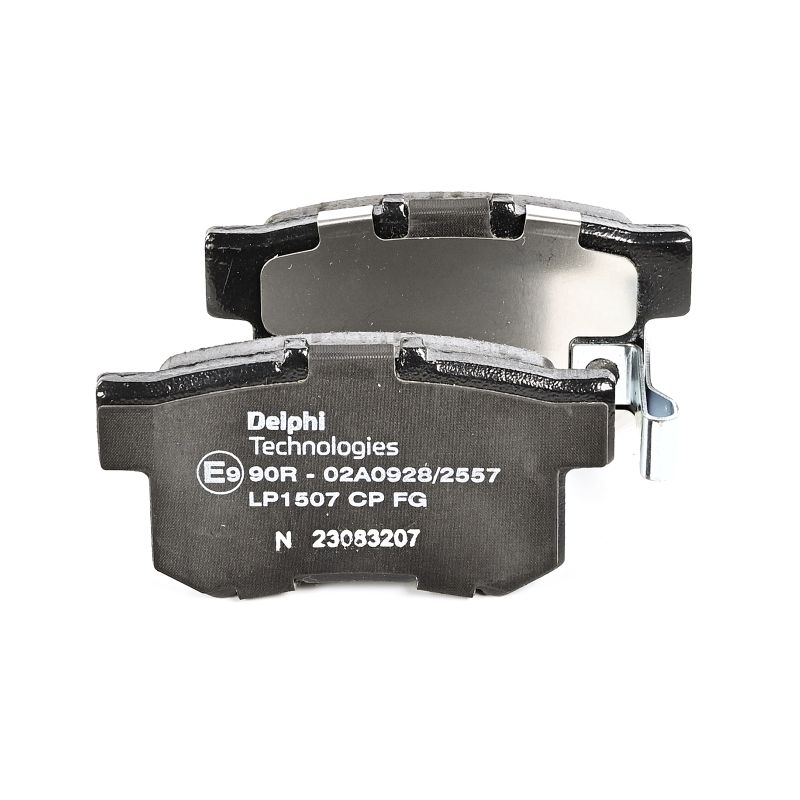
A quick pad swap is not a brake repair. A good brake job in Nairobi should cover the whole system, because a new pad on a damaged disc or a sticky caliper will wear out again quickly.
If a warning light is on, we also scan the ABS and VSA systems with the right diagnostic equipment before replacing anything.
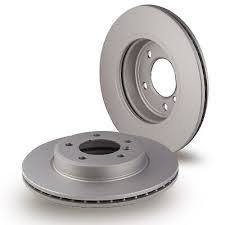
Pads are consumables. Discs last longer, but they wear thinner with every set of pads, and each one has a minimum thickness stamped on it.
We stock pads, discs and drums for popular Honda and Mazda models. Examples include the Mazda rear brake disc, the Axela rear brake drum and CX-5 rear brake pads. You get the correct part, fitted and tested in one visit.
Brake fluid absorbs moisture from the air over time. Water in the fluid lowers its boiling point, which can make the pedal go soft after repeated hard braking. It also corrodes calipers and ABS parts from the inside.
The manufacturers are clear about this. Honda’s owner’s manuals say to replace the brake fluid every 3 years, whatever the mileage. Mazda’s published schedules list a brake fluid change every 40,000 km or 2 years in some markets. Many imported cars in Kenya have no record of a fluid change at all, so if you do not know when it was last done, assume it is due.
Use only the fluid grade your manual specifies, usually DOT 3 or DOT 4. Never use DOT 5, which is silicone-based and not compatible with these systems.
Every model has its patterns. These are the ones that come up most at our workshop.
A light squeal gives you a little time. Grinding, pulling, a soft pedal or a red warning light do not. Brakes are the one system where a delay costs both money and safety, so book the car in as soon as you notice these signs.
If you are buying a used car, ask for a full brake check as part of a pre-purchase inspection. Worn discs and old fluid are common on fresh imports, and they are easy to negotiate on.
You can get more life from pads and discs by changing how you drive. Leave a bigger gap in traffic so you can slow gradually. After heavy braking, avoid holding the pedal hard with the car stopped, because the hot pad can mark the disc.
Ask for a brake inspection at every service. At our Honda service centre the brakes are part of the standard multi-point check. Catching a sticky slide pin early costs far less than a new caliper and disc later.
We work only on Honda and Mazda vehicles, so we know their brake layouts, electronic parking brakes and hybrid systems. We hold common pads, discs and drums in stock, use the correct fluids, and test-drive every car before handing it back.
You will find us on Mirema Lane, behind PAC University, off Thika Road.
There is no fixed kilometre figure, because pad life depends on traffic, driving style, the car’s weight and the pad compound. In heavy Nairobi traffic, front pads usually wear much faster than they would on open roads. The best approach is to measure pad thickness at every service, so you replace them before they reach the wear indicator.
Not necessarily. Front brakes do most of the work and normally wear faster. What matters is that pads and discs are always replaced in pairs on the same axle, so both sides brake evenly. Replacing the left side only, for example, can make the car pull under braking.
Very cheap pads often fade when hot, make noise and wear the discs faster, so they can cost more over time. We recommend genuine pads or reputable aftermarket brands that match the original specification for your model. Ask to see the box before fitting.
New pads may squeak for the first few days while they bed in. Squeaking that continues usually points to missing anti-squeal shims, dry slide pins, or glazed pads and discs. These are easy to correct, so bring the car back rather than living with the noise.
The ABS light usually means a wheel-speed sensor, its wiring or the tone ring has a fault. Normal braking still works, but the anti-lock function may be switched off. That matters on wet roads, so have the fault code read soon.
A straightforward pad replacement with an inspection usually takes a couple of hours. Disc replacement, caliper work or a full fluid flush takes longer. We confirm the time when we quote, after the inspection.
Brake fluid levels drop slowly as the pads wear, so a slightly low level can be normal. A level that falls quickly means a leak, and a leak must be found and fixed, not topped up. Topping up old fluid also does nothing about the moisture already in it.
Good brakes come from the whole system working together: pads, discs, calipers, hoses and clean fluid. Listen for squeals, feel for vibration and act fast on warning lights, and your brakes will rarely surprise you.
If your Honda or Mazda needs brake repair in Nairobi, call 0708 817 551 or 0741 206 350, or book an inspection online. We will show you exactly what is worn before we replace anything.
Mazda Axela common problems explained by Nairobi Mazda specialists: i-stop faults, diesel soot, parking brake drag, hybrid issues, suspension and more.
Honda Fit vs Mazda Demio: a Nairobi Honda and Mazda garage compares space, engines, gearboxes, running costs and parts so you can buy the right car.
Learn the most common car overheating causes, what to do the moment your temperature light comes on, and how to protect your Honda or Mazda engine.

It is a long established fact that a reader will be distracted by the readable content of a page when looking at its layout.
